My S&P 500 Gains Dropped $13K. Now It's a Waiting Game.
The Iran conflict wiped out S&P 500 year-to-date gains. An 8-year index investor explains why he's not changing a single setting.

My S&P 500 unrealized gains are down about ¥2 million (roughly $13,000) from their peak.
Probably going lower. I won’t pretend it feels good. But I haven’t changed a single setting on my automatic contributions. Not one yen. March 2026 — the waiting game begins.
What’s Happening
On February 28, the U.S. and Israel launched a large-scale military operation against Iran. They called it “Epic Fury.” Sounds like a movie title. The reality is anything but.
The S&P 500 erased all its year-to-date gains. As of March 3, it was sitting at 6,816. Goldman Sachs warned of “a painful path ahead in the near term.” Oil shot past $90 per barrel on WTI, and with the Strait of Hormuz blockade risk in play, some worst-case projections had it hitting $140.
Iran has vowed to escalate its retaliation. Signs of this ending? Zero.
This Isn’t Like the Last Crash
Last year’s Trump tariff shock wiped ¥7 million (about $50K) from my portfolio. That was rough. But looking back, tariffs were a “one and done” kind of event. Announcement, panic, stabilization. You could see the shape of the thing. The end was somewhere out there.
This time it’s a war.
I know when it started. February 28. But when does it end? Nobody knows. Could be tomorrow. Could be a year. Could be a decade. That “no exit in sight” feeling is what really gets to you.
With the tariffs, I could tell myself “hang on and it’ll come back.” This time it’s “hang on, but… for how long?” And there’s no answer to that.
Why I’m Not Changing Anything
This is my stance, and I’m sticking to it: I haven’t touched my automatic investment settings. Not once.
The reason is simple. War broke out with zero warning, and that tells you everything you need to know about predictions — they’re impossible.
Sure, plenty of analysts are now saying “tensions with Iran had been building.” Of course. Hindsight is 20/20. But on February 27, how many individual investors predicted the U.S. would strike Iran the very next day?
Pretty much zero.
The endpoint is just as unpredictable. What if it ends tomorrow and I’ve already stopped my contributions? I’d miss the initial recovery. What if it drags on for years and I dumped extra money in today? I’d watch it sink further and break.
When you genuinely can’t tell which way things will go, doing nothing is the right call — at least for me. Keep the monthly contributions going. That’s it.
What Happened to Markets During Past Wars
I was anxious, so I looked up the data.
How the S&P 500 has reacted to geopolitical crises:
| Event | Decline | Time to Bottom | Time to Recover |
|---|---|---|---|
| Gulf War (1990) | ~-20% | ~2 months | ~6 months |
| Iraq War (2003) | Rallied on invasion | - | - |
| COVID Crash (2020) | -33.9% | ~1 month | ~5 months |
| Trump Tariffs (2025) | ~-15% | ~3 weeks | ~2 months |
Across geopolitical crises in general, the S&P 500 has historically bottomed in about 21 days and returned to pre-crisis levels within about 45 days.
But here’s the thing.
This time, the U.S. is directly striking Iran — the biggest direct engagement since the Gulf War. And there’s a nasty combo lurking: oil price spike, inflation resurgence, rate cuts getting pushed back. Whether past data applies cleanly to this situation? Honestly, I don’t know.
But knowing the data is better than not knowing. I’m holding an optimistic scenario of “worst case, six months to a year for recovery” while mentally bracing for “even if it takes two years, I’m fine with that.”
The $120K Cushion
I’ll be honest. Half the reason I can stay somewhat calm right now is that I still have about ¥20 million (roughly $130K) in unrealized gains.
Down ¥2 million, but still sitting on ¥18 million ($120K) in the green. It would take a truly catastrophic crash to wipe that out entirely. As long as I don’t go underwater — as long as my portfolio stays above my total contributions — I can deal with it. I know that’s a psychological trick more than anything. But it works.
During the COVID crash, things were completely different. In 2020, I’d only been investing for about two years. My unrealized gains were basically zero. I ate that -33.9% drop with nothing to cushion it. Every time I opened my brokerage account, it was a wall of red. That was so much worse for my blood pressure.
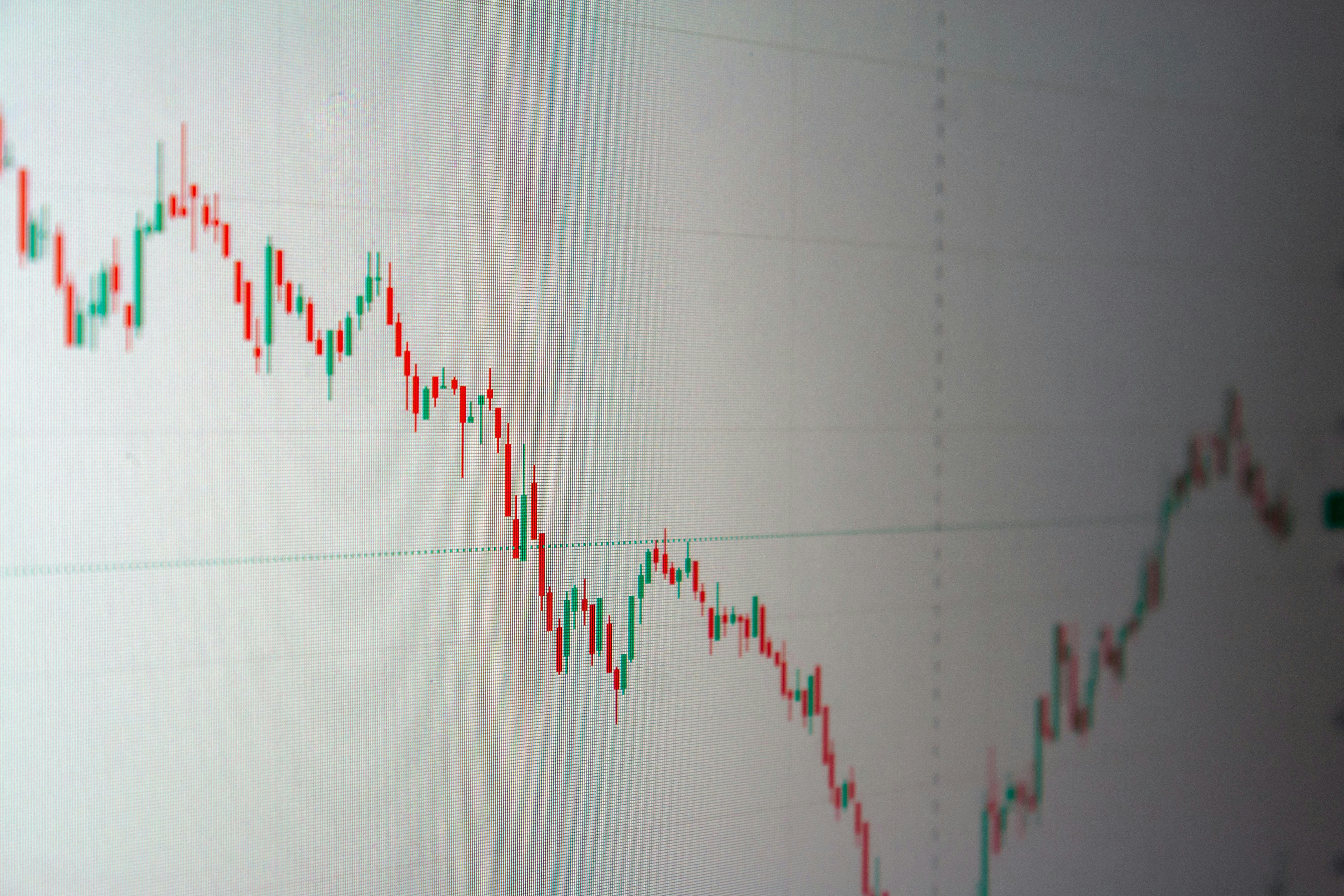
Eight years of consistent investing built this cushion. A financial cushion and a psychological one. Both matter.
The Other Safety Net: Dual Income
Alongside the unrealized gains, I want to mention what dual income does for peace of mind.
My wife and I bring home about ¥600,000 a month combined (roughly $4,000). We invest ¥370,000 ($2,500) of that every month. Even if the market stays flat for years, our income doesn’t stop. In a way, a prolonged downturn is an opportunity — we keep buying at lower prices.
If I’d already FIRE’d (financially independent, retired early), this would be a completely different conversation. Having to pull living expenses from your portfolio right when it’s tanking? That would be brutal on every level.
Having steady monthly cash flow from two paychecks — that’s the biggest pillar supporting my “do nothing” approach.
How I’m Getting Through the “Endurance Phase”
So am I changing anything in my daily life? On the investment side, nothing.
I actually follow the news more closely now. Iran developments, oil prices, S&P 500 movements. I check everything. I’m not the type who reduces anxiety by blocking out information. I’m the type who takes in all the information and then confirms: “OK, so what am I doing? Nothing.” That’s my process.
I still check my brokerage account at 4 AM at the same frequency. If it’s up, I look. If it’s down, I close the app. The difference from before is that I’ve stopped thinking deeply about the numbers. Look. Close. Done.
The one thing I am changing is spending.
I’m not exactly a big spender normally, but when the market’s ugly, I instinctively tighten up. Something I want? “I’ll get it when things recover.” I won’t touch my investments, but I adjust my mood through consumption. Maybe not perfectly rational. But it’s how I keep my balance.
By the way, I haven’t told my wife about any of this. She only talks about money when there’s something she wants to buy. (My unfiltered thoughts on these numbers? I write those on my Note blog.)
The Waiting Game Begins
If I had to describe the current market in one phrase: the waiting game has started.
The market versus me. Whoever flinches first loses.
History says the market always recovers. Gulf War, Lehman Brothers, COVID, tariff shock — every single time. It takes a while, but the S&P 500 has always gone on to set new all-time highs.
My plan hasn’t changed. Keep the monthly contributions running. Check the account, but don’t overthink it. Hold off on wants until the market comes back.
Someday I’ll probably reread this post and think, “Glad I held on through that one too.”
And maybe when my daughter starts investing someday, she’ll come across this and realize, “Dad didn’t sell even during a war.”
But she probably won’t read it. Let’s be real.
This post reflects my personal investing experience and is not financial advice or a recommendation of any specific financial product. All investments carry the risk of loss, and any decisions should be made at your own discretion.
Related Articles

I Have ¥50M in Assets. I Still Don't Know What I'm Doing About My Daughter's Education.
A Japanese salaryman with ¥50M in assets breaks down education costs, school choices, and why he refuses to call it an "investment"

¥170K a Month on Food for Three. Here's Where Every Yen Goes.
A dual-income Japanese family of three breaks down their ¥170K monthly food costs and explains why they won't cut back despite April's price hikes

Japan's 5% Wage Hike Made Headlines. My Raise Was Zero.
A 40-something salaryman breaks down his ¥350K take-home pay and explains why he stopped caring about raises