Tax Season Is Here. As an Index Investor With $130K in Unrealized Gains, I Had Almost Nothing to Do
8 years of index investing, $130K in unrealized gains, zero investment tax work. Here's exactly how e-Tax works and why I still file every year.
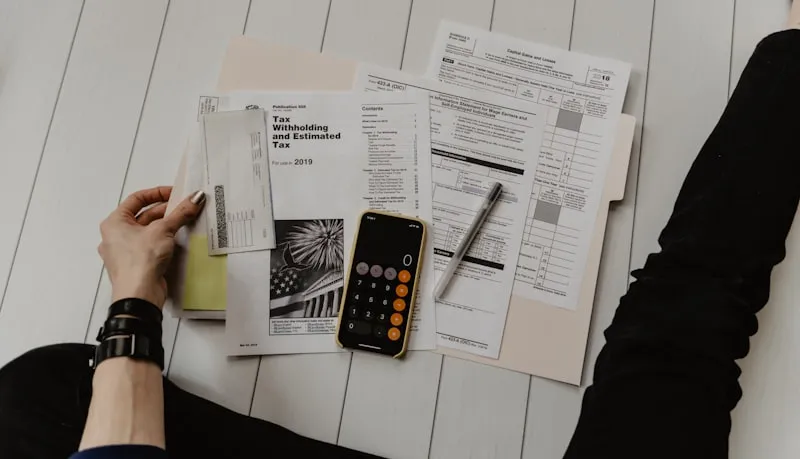
Table of Contents
- Japan’s Hometown Tax Is Why I File
- E-Filing Takes 10 to 30 Minutes Now
- Almost All of My Donations Go to Rice
- Tax Filing as a Financial Health Check
- $130K in Gains, Zero Investment Tax Work
- NISA’s Biggest Gift Wasn’t Tax Savings — It Was Better Products
- 2026 Brought Some Big Tax Changes, by the Way
- Stop Being Afraid of Tax Filing
February in Japan means one thing for salaried workers: tax filing season.
I’ve been index investing for eight years now. My unrealized gains sit around 20 million yen — roughly $130,000. People sometimes ask, “Isn’t your tax filing complicated?” The answer? For my investments, I did absolutely nothing. Zero line items. My brokerage account handles taxes automatically, and my NISA account (Japan’s version of a Roth IRA) is tax-free. There was literally nothing investment-related to report.
So why do I file taxes at all? Two words: furusato nozei.
Japan’s Hometown Tax Is Why I File
Furusato nozei is one of Japan’s quirkiest tax programs. You “donate” to local governments around the country, get regional products as thank-you gifts, and deduct the amount from your taxes. It’s essentially a way to redirect your tax payments while getting rice, beef, or fruit delivered to your door.
There’s a simplified system called “One-Stop Special Exception” where you just mail back postcards to each municipality. But once you donate to six or more places, that option disappears. I donate about 100,000 yen ($650) a year across multiple regions, so I’ve been filing a full tax return instead.
Here’s the thing nobody tells you: filing the full return is actually easier than mailing back six postcards. You do it once a year online, enter all the donations in one sitting, and you’re done.
One important caveat about the One-Stop system: it’s limited to five municipalities, and if you file a full tax return in the same year for any reason — say, medical expense deductions or a mortgage interest deduction — the One-Stop exception is automatically voided for all your donations. You’d have to re-declare every donation in your return or lose the deductions entirely. Filing the full return from the start avoids this trap completely.

E-Filing Takes 10 to 30 Minutes Now
If your image of tax filing involves long lines at government offices and stacks of incomprehensible forms, I get it. That’s what I pictured too, the first time.
Japan’s e-filing system (e-Tax) has gotten shockingly good. With a My Number card — Japan’s national ID — you can file from your phone. The system walks you through each field. You plug in the numbers from your withholding slip, enter your furusato nozei donation receipts, and hit submit.
The whole thing takes me 10 to 30 minutes. One cup of coffee.
Here’s the rough flow, step by step:
- Go to the National Tax Agency’s online filing portal (kakutei shinkoku sho sakusei corner).
- Log in with your My Number card. On a smartphone you just hold the card against the back of the phone; on a PC you use an IC card reader or link your smartphone.
- If you filed last year, load your previous data. Otherwise, select “create new.”
- Follow the on-screen prompts and enter the numbers from your withholding slip (gensen choshu hyo) — your company hands this out in December or January.
- Enter your furusato nozei donation receipt amounts. If you’ve linked My Number Portal (myna portal) with your donation site (Rakuten, Satofull, etc.), the amounts auto-populate — no manual typing, no risk of a decimal-point mistake.
- Review the summary and hit submit.
The My Number Portal integration is the real game-changer. It pulls donation data directly from the portals you’ve linked, so you don’t need to dig out paper receipts or worry about typos.
The first year I was nervous and it probably took an hour, but from the second year on, last year’s data carries over. You just update what changed.
Almost All of My Donations Go to Rice
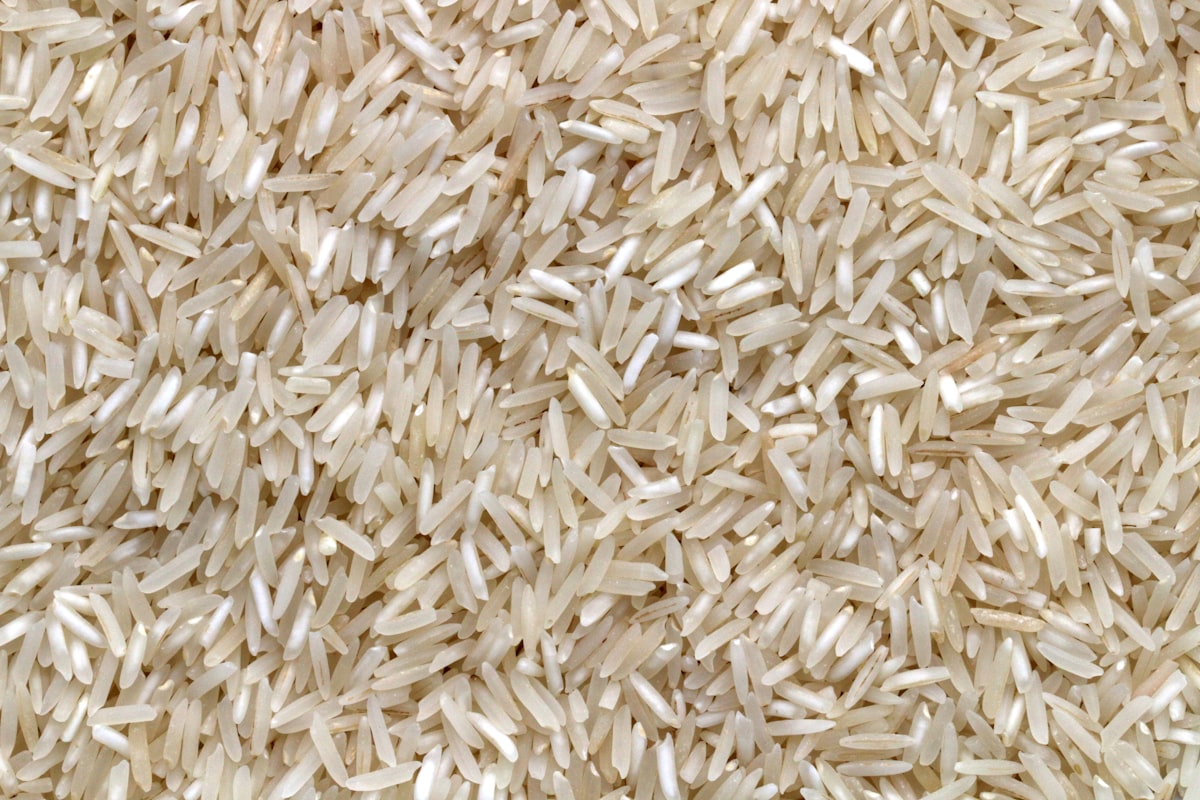
My furusato nozei strategy is boring but practical: I convert almost everything into rice.
With an income around 7 million yen ($46,000), my deduction limit is about 100,000 yen. There are flashy options — wagyu beef, tropical fruits, craft beer — but rice wins every time. A family of three eats through it fast, it’s surprisingly expensive at the store, and having 10-kilogram bags delivered to your front door beats carrying them home from the supermarket.
My wife’s only standing instruction regarding our finances: “Make sure you do the furusato nozei every year.” It’s basically a household obligation at this point.
Tax Filing as a Financial Health Check
There’s another reason I file every year, beyond the donations. It forces me to look at the full picture of my money.
As a salaried employee, I see my monthly pay stub, but I rarely think about the annual total. How much did I actually earn? How much went to income tax, resident tax, social insurance? What deductions am I getting? The tax filing interface lays it all out. You start to understand how the system works — not at an accountant level, but enough to feel like you know what’s going on with your own money.
It’s like an annual financial health check. You look at the numbers, nod, and move on. But that awareness adds up over time. Managing a dual-income household budget works the same way — once a year, you zoom out and see the whole picture, and the vague money anxiety shrinks.
I think it’s worth doing every year, even when it’s simple, just to stay in practice. If you ever need to file for medical expenses, side income, or anything else, you don’t want that to be your first time navigating the system.
$130K in Gains, Zero Investment Tax Work
Let me be clear about why index investors in Japan have it so easy at tax time.
Japan’s “tokutei koza” (specified account with tax withholding) is like having your broker act as your tax agent. They calculate gains, withhold the right amount, and report everything. Even if I sold something, I wouldn’t need to file. But I haven’t sold anything in eight years, so there are no realized gains and no tax events at all.
NISA is even simpler — gains are completely tax-free within the contribution limits. (The Financial Services Agency oversees the NISA program; their English site has a basic overview if you want the official source.)
So the combination of “specified account + NISA + never selling” means my investments and my tax filing exist in completely separate worlds. If someone is hesitating to start investing because they’re worried about tax complications, that worry is almost entirely unfounded.
NISA’s Biggest Gift Wasn’t Tax Savings — It Was Better Products
While we’re on the topic of NISA, here’s something I don’t hear people talk about enough.
The biggest benefit of NISA, for me, wasn’t the tax exemption. It was that NISA brought millions of new investors into the market, and that forced fund companies to compete on cost and quality.
Japanese investment trusts used to have a rough reputation. High management fees, sold aggressively through bank counters, with returns eaten up by costs. That image wasn’t entirely wrong.
But as NISA drove mass adoption, companies started slashing fees. Today you can find index funds with expense ratios below 0.1%. Eight years ago, that was unthinkable. The entire landscape changed because regular people started investing, and fund companies had to earn their business. If you’re curious what those early, boring years of index investing actually feel like, I wrote about the first three years here — the products are better now, but the patience required is exactly the same.

2026 Brought Some Big Tax Changes, by the Way
While we’re talking about filing, it’s worth noting that the 2026 tax year came with significant rule changes. The basic deduction (kiso kojo) jumped from 480,000 yen to 580,000 yen. The so-called “1.03 million yen wall” — the income threshold at which part-time workers start owing income tax — moved to 1.6 million yen. And there’s a brand-new deduction for families with college-aged children (ages 19-22), called the “Special Relatives Special Deduction.”
For a typical salaryman, the basic deduction increase alone can mean 20,000 to 30,000 yen less in taxes per year. That’s real money for doing nothing — as long as you’re aware it happened. I covered all the details in my full breakdown of the 2026 tax changes, including some gotchas around stacking furusato nozei with medical expense deductions.
Stop Being Afraid of Tax Filing
I think a lot of people carry an unnecessary allergy to the words “tax filing.” It sounds complicated. It sounds like something for accountants or business owners. It sounds like you might screw up and get in trouble.
I felt the same way before I started. But the reality is: you follow the prompts on a screen and type in numbers. If you make a mistake, you can file an amendment. Nobody’s going to yell at you.
If you’re an index investor, there’s genuinely nothing to do on the investment side. If you do furusato nozei, filing a return is actually easier than the postcard method. And if you’ve never tried, this year is a good time to start.
If you’re thinking “maybe I’ll try it this year,” here’s your minimum checklist:
- Have your My Number card ready. If you don’t have one, apply at your city or ward office — it usually takes a few weeks.
- Grab your withholding slip (gensen choshu hyo). Your company issues this in December or January.
- If you did furusato nozei, gather your donation receipts — or link My Number Portal beforehand so they auto-populate.
- Head to the e-Tax filing portal and follow the on-screen prompts.
Mistakes aren’t the end of the world. You can resubmit within the filing deadline as many times as you need, and even after the deadline you can file an amendment. Nobody at the tax office is going to yell at you.
Ten minutes of your time, rice delivered to your door, and a slightly better understanding of where your money goes. That’s a pretty good deal.
This article reflects personal experience and is for informational purposes only — not investment advice. All investment decisions are your own responsibility.
Related Articles

I Have ¥50M in Assets. I Still Don't Know What I'm Doing About My Daughter's Education.
A Japanese salaryman with ¥50M in assets breaks down education costs, school choices, and why he refuses to call it an "investment"

¥170K a Month on Food for Three. Here's Where Every Yen Goes.
A dual-income Japanese family of three breaks down their ¥170K monthly food costs and explains why they won't cut back despite April's price hikes

Japan's 5% Wage Hike Made Headlines. My Raise Was Zero.
A 40-something salaryman breaks down his ¥350K take-home pay and explains why he stopped caring about raises