
Tax & Systems
I Contributed to Japan's 401(k) for 7 Years Without Once Thinking About How to Cash Out
I started iDeCo in 2019 and never thought about the exit. Then Japan changed the rules in 2026, and I realized how naive I'd been.
Read more
Articles about wealth building, investing, and saving
I started iDeCo in 2019 and never thought about the exit. Then Japan changed the rules in 2026, and I realized how naive I'd been.

A personal filter for AI stock hype, from a guy who lost ¥2 million on individual picks

Japan's basic deduction jumped to ¥580,000 in 2026 (up ¥100K). The ¥1.03M income tax wall moved to ¥1.6M. And there's a furusato nozei One-Stop pitfall that voids your tax break. Full salary-worker breakdown.
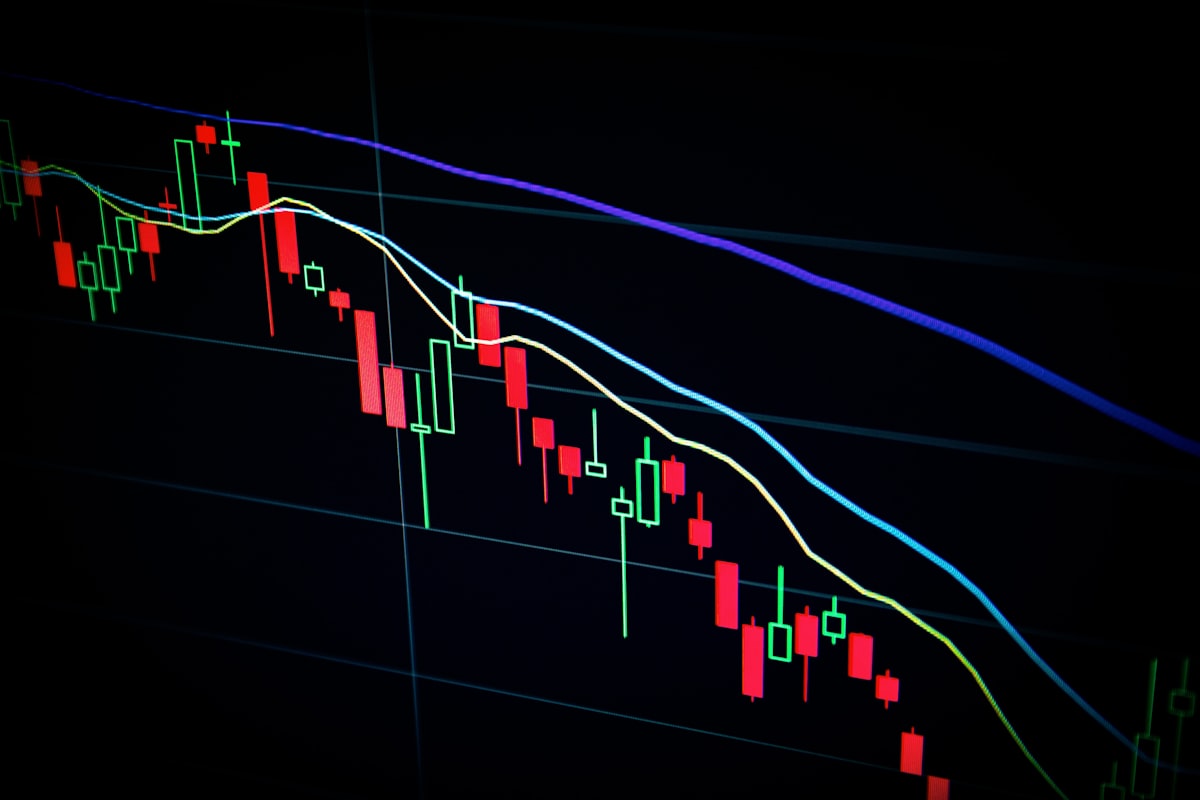
A Japanese index fund investor lost $50K in the 2025 tariff shock. Eight years of buy-and-hold experience explained why doing nothing was the right call.

Japan's Children's NISA (Kodomo NISA) launches January 2027 with a ¥600K annual / ¥6M lifetime tax-free cap for kids 0-17. Eligibility, contribution rules, and whether otoshidama can fund it before you've maxed your own NISA — full math.
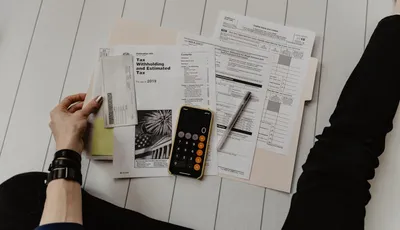
8 years of index investing, $130K in unrealized gains, zero investment tax work. Here's exactly how e-Tax works and why I still file every year.

Eight years of dollar-cost averaging into US index funds with zero sells. From $2K unrealized losses to $130K in gains — the full timeline.

I check the S&P 500 at 4 AM every morning. If it's up, I stare for 5 minutes. If it's down, I close the app. My 8-year index investing routine.

Real budget of a Japanese dual-income couple: $4K take-home, $2,500/mo into index funds, $1,300 on food. Every yen exposed.

The first 3 years of index fund investing felt like nothing happened. $1,000/month, barely any growth. Then compound interest kicked in at year 5.